
The best country to study MBBS abroad depends on one important question: where do you want to practise medicine after graduation? Indian students returning home must evaluate current NMC requirements, NEET eligibility, internship rules, and FMGE/NExT pathways. Students targeting the United States should focus on WDOMS listing, ECFMG Sponsor Note eligibility, USMLE preparation, and clinical training quality.
Quick Answer
There is no single best country to study MBBS abroad for every Indian student. For students targeting US residency, Caribbean MD programmes with appropriate WDOMS and ECFMG eligibility may offer a suitable pathway. For students planning to return to India, countries such as Russia, Georgia, Kazakhstan, Kyrgyzstan, and Bangladesh are often considered, subject to alignment with current NMC requirements. The decision should be based on licensing pathway, accreditation, clinical training, graduate outcomes and total cost—not tuition alone.
- Why Indian Students Choose to Study MBBS Abroad
- Practical Challenges of Studying Medicine in Different Regions
- A Broader View of Global Licensing Pathways
- Best Countries to Study MBBS Abroad: Quick Comparison
- Clinical Exposure, Patient Interaction, and Teaching Hospitals
- Teaching Hospitals and Clinical Rotation Sites
- How to Choose the Right Medical University Abroad
- Student Support Services
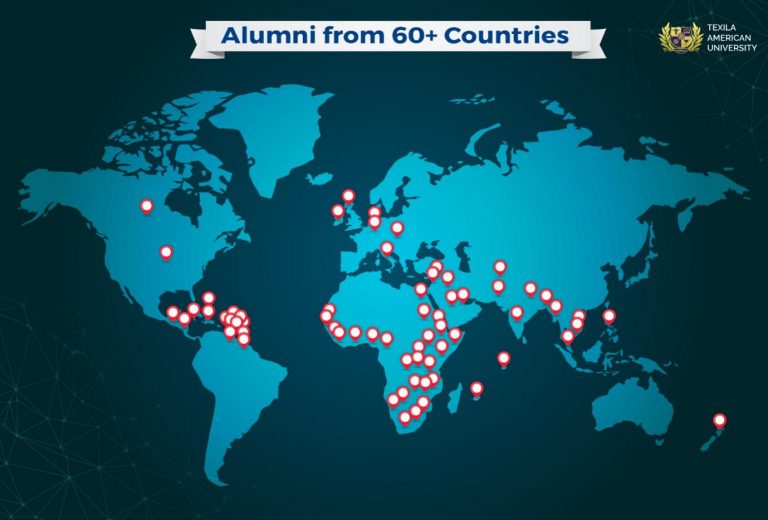
- Alumni Success and Residency Outcomes
- Research Opportunities During Medical School
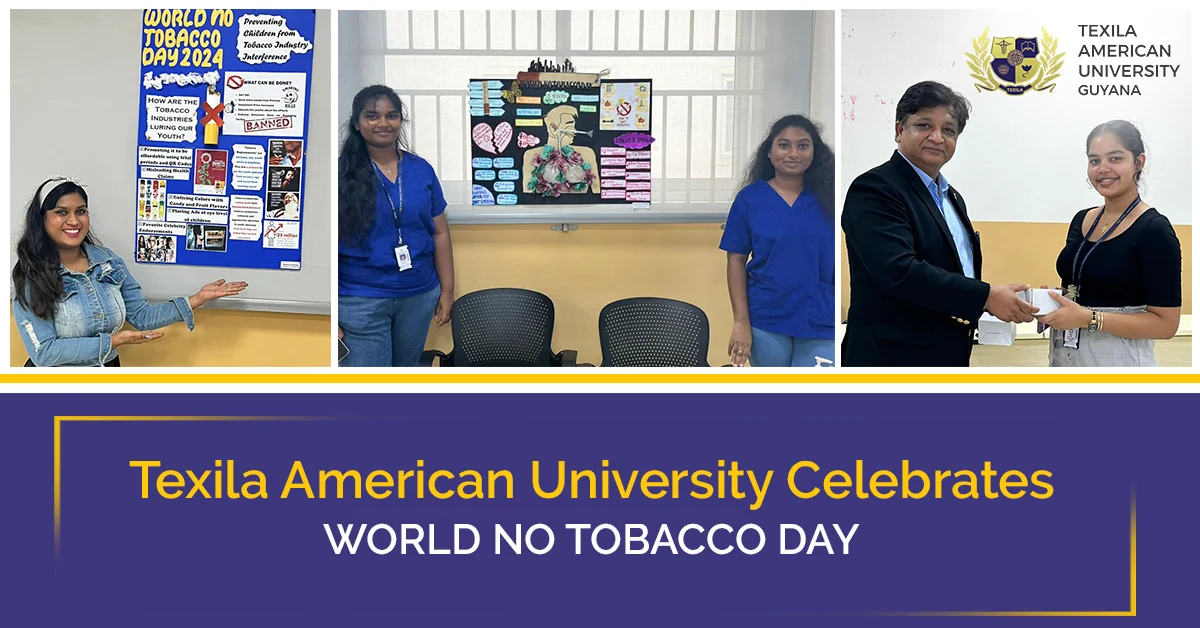
- Volunteering and Community Outreach
- Caribbean Medical Schools: Best Fit for the US Pathway
- Becoming a Global Doctor
- Still Deciding Which Country Is Right for Your Medical Career?
- Why Some Students Explore Texila American University Guyana
- Questions Parents Should Ask Before Choosing a Country
- Ready to Start Your Medical Journey?
- Frequently Asked Questions
Key Takeaways
- The best country depends on your intended country of practice.
- NEET qualification is important for Indian students planning to return and practise in India.
- WDOMS listing with ECFMG Sponsor Note is important for students targeting US residency.
- Low tuition should not be the only deciding factor.
- Clinical training, licensing support, safety, and graduate outcomes matter more than country popularity.
Why Indian Students Choose to Study MBBS Abroad
Indian students consider medicine abroad because government seats are limited, private education can be expensive, and some students want international career options.
In NEET-UG 2025, over 22 lakh candidates appeared, while India had approximately 1.18 lakh MBBS seats. — Source: National Testing Agency (NTA) and National Medical Commission (NMC), 2025.
Close to 20 lakh candidates appeared for NEET (UG) 2026, and approximately 11.21 lakh qualified. With about 1.36 lakh MBBS seats available across India, competition remained intense. Students should verify the final figures through official NTA and NMC releases before publication.
With private MBBS education in India sometimes costing ₹60 lakh to ₹1.2 crore or more, families may compare overseas programmes offering English-medium study, clinical exposure and international licensing pathways.
Studying abroad is not a shortcut. It requires sustained academic effort, clinical preparation, and long-term licensing planning. Many students also compare studying abroad with private medical colleges in India before making a final decision. If you’re weighing both options, explore our detailed comparison of Private MBBS in India vs MBBS Abroad to understand the costs, clinical training and long-term career opportunities.
Practical Challenges of Studying Medicine in Different Regions
The academic experience varies by region. Students should consider language, climate, culture, accommodation, and daily life alongside tuition and admission requirements.
Europe: English-taught programmes may still require local-language skills for patient interaction. Students should also prepare for colder climates, independent learning, and different teaching methods.
Central Asia: Lower tuition can be attractive, but students should assess severe winters, accommodation, food, hospital language requirements, and the consistency of clinical exposure.
South Asia: Cultural familiarity can ease adjustment, but students should still compare curriculum quality, hospital workload, accommodation, and licensing-exam support.
Caribbean: An English-speaking, multicultural environment may support a US-oriented curriculum. Students should evaluate travel costs, island life, campus support, and the location of clinical rotations.
In any region, orientation, mentoring, wellbeing services, and a supportive student community can make cultural and academic adjustment easier.
Affordability alone cannot compensate for unsuitable language, climate, accommodation, or student support.
A Broader View of Global Licensing Pathways
Students should decide where they hope to practise before choosing a university. A foreign medical degree does not automatically grant the right to practise; graduates must meet the destination regulator’s examination, registration, internship, language and training requirements.
India: Review current NMC eligibility rules, NEET requirements, course duration, internship conditions, and the applicable screening or licensure examination.
United States: Choose a school that supports ECFMG eligibility, USMLE preparation, recognised clinical experience, and residency application planning.
United Kingdom: Graduates generally need to meet General Medical Council registration requirements, demonstrate acceptable knowledge and clinical skills, and satisfy English-language standards.
Canada: International medical graduates should understand provincial eligibility, credential verification, Medical Council examinations, and the competitiveness of the CaRMS residency pathway.
Australia: Graduates must review the Australian Medical Council assessment pathway, English-language requirements, registration standards and access to supervised practice or training posts.
Other countries: Requirements may include examinations, language proficiency, supervised practice, internship, or postgraduate training.
Because licensing rules can change, students should confirm the latest requirements directly with the relevant medical regulator before paying a deposit or accepting admission.
Best Countries to Study MBBS Abroad: Quick Comparison
| Country/Region | Best Suited For | Approx. Cost Range | Main Licensing Pathway | Language |
| Caribbean | Students targeting US residency | USD 60K–100K | USMLE / ECFMG | English |
| Russia | India-return students | USD 25K–45K | FMGE/NExT | English + Russian clinical exposure |
| Georgia | India-return students | USD 30K–50K | FMGE/NExT | English |
| Kyrgyzstan | Budget-conscious students | USD 15K–25K | FMGE/NExT | English/Russian |
| Kazakhstan | Budget-conscious students | USD 20K–35K | FMGE/NExT | English/Russian |
| Bangladesh | India-return students seeking regional familiarity | Varies | FMGE/NExT | English |
This table is only a starting point. Students must verify each university individually through official sources before applying.
Choosing a country is only one part of the decision. You should also compare the complete cost, licensing pathway, and career outcomes before selecting a university.
Clinical Exposure, Patient Interaction, and Teaching Hospitals
Clinical training should be evaluated as carefully as the classroom curriculum. Students need regular, supervised patient contact, exposure to common and complex conditions, and access to teaching hospitals with sufficient case volume across major specialties.
| Region | Typical Clinical Consideration | Language Impact | Questions to Ask |
| Caribbean | Clinical years may include rotations in affiliated hospitals in the Caribbean or the United States, depending on the school. | English is commonly used, which can support classroom learning and patient communication. | Where are rotations conducted? Are placements guaranteed, supervised and aligned with residency goals? |
| Russia and Central Asia | Patient volume may be strong in public hospitals, but access and responsibility can vary by university and year of study. | Local-language ability can directly affect history-taking, examination and participation in ward discussions. | When does bedside training begin? What language level is required before clinical postings? |
| Georgia and parts of Europe | English-medium teaching may be available, while hospital communication may still occur in the local language. | Students may understand lectures in English but have limited patient interaction without local-language proficiency. | Are interpreters used? Is language training built into the curriculum? |
| Bangladesh and South Asia | Dense patient populations can provide broad clinical exposure when teaching hospitals are well integrated with the programme. | English may be used academically, while local languages can improve communication with patients. | Is the teaching hospital owned or formally affiliated? How many students share each clinical unit? |
| Any destination | Quality depends more on the university, hospital network, supervision, and student-to-patient ratio than on the country name. | Language determines how independently a student can communicate and learn at the bedside. | What is the case volume, supervision model, rotation schedule, and student feedback on clinical access? |
A programme advertised as “English medium” may still require local-language proficiency in hospitals. Students should request written details of clinical sites, patient-contact opportunities, language training, supervision, and rotation scheduling before enrolling. Before shortlisting a university, learn how to evaluate teaching hospitals, clinical rotations and student support in our guide on How to Choose the Right Medical University Abroad.
Teaching Hospitals and Clinical Rotation Sites
The quality of affiliated teaching hospitals can shape a student’s clinical confidence and readiness for licensing examinations or residency. Before accepting admission, students should verify whether the hospitals are owned by the university or formally affiliated through current agreements, and whether the placements shown in promotional material are available to all eligible students.
Students should examine patient volume, case diversity, and access to major specialties, including Internal Medicine, Surgery, Paediatrics, Obstetrics and Gynaecology, Psychiatry, Family Medicine, and Emergency Medicine. High patient volume is useful only when students receive structured supervision and meaningful participation rather than observation alone.
Ask whether core rotations are guaranteed, who arranges them, how students are assessed, and whether additional fees or travel are involved. Also check the student-to-supervisor ratio, the level of hands-on exposure permitted, and whether students can take histories, perform examinations, present cases, and participate in clinical procedures under supervision.
How to Choose the Right Medical University Abroad
Choosing a country is only the first step. The university matters more than the destination name.
| Factor | Why It Matters |
| Accreditation | Determines recognition and licensing eligibility |
| WDOMS/ECFMG Status | Important for students targeting US residency |
| Alignment with current NMC requirements | Important for students returning to India |
| Clinical Training | Builds practical skills and patient exposure |
| Licensing Support | Helps with USMLE, FMGE, or NExT preparation |
| Residency Guidance | Important for US pathway planning |
| Student Support | Helps with academic progress and wellbeing |
| Safety & Accommodation | Important for students and parents |
| Graduate Outcomes | Shows long-term student success |
| Total Cost | More useful than tuition alone |
The most affordable university is not always the best long-term investment.
Student Support Services
International students often need support beyond the classroom as they adapt to a new academic system, culture, and healthcare environment. Strong programmes provide academic advisors who monitor progress, help students develop individualised study plans and connect them with tutoring or remediation before difficulties become serious.
Students should also look for faculty mentoring, peer support, licensing-exam guidance, career counselling, and residency advising. Wellness and mental health services, orientation programmes, emergency support, and international student offices are equally important. These services can improve academic performance, wellbeing and retention while helping students make informed decisions about electives, examinations and future career pathways.
Alumni Success and Residency Outcomes
Graduate outcomes help students judge the long-term value of a medical programme. Prospective students should ask where alumni are practising, which residency programmes have accepted graduates, what specialties they entered, and whether the university publishes verified placement information.
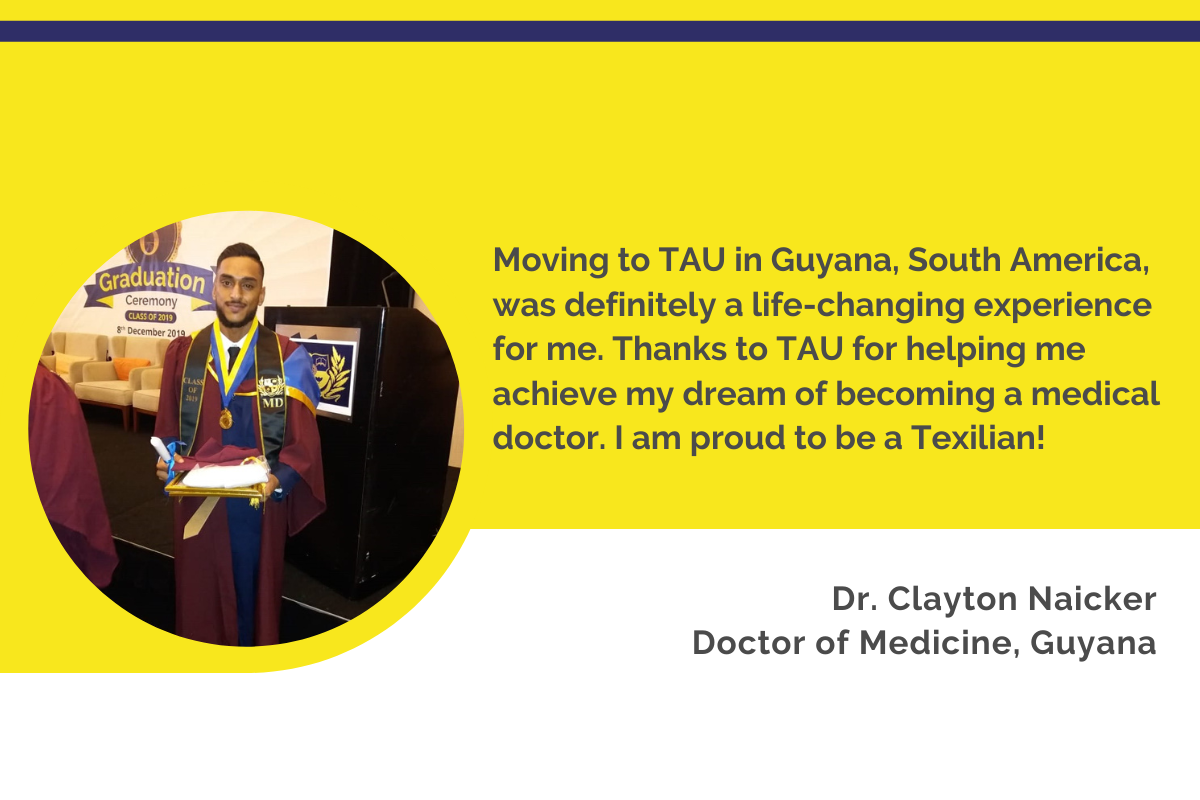
Residency lists, licensing-exam outcomes, and graduate success stories can build confidence when they are recent, clearly explained, and supported by evidence. Past results do not guarantee an individual outcome, but transparent alumni data shows how effectively the university prepares students for licensing, residency, and professional practice.
Research Opportunities During Medical School
Research experience can strengthen scientific thinking and may support applications to competitive residency specialties. Students should ask whether the university offers faculty-led projects, research electives, opportunities to contribute to publications, poster presentations, conferences, or student research groups.
The value of research depends on access to experienced supervisors, ethical approval processes, and realistic opportunities for students to complete and present their work. Even small, well-supported projects can develop evidence-based decision-making, academic writing, and critical appraisal skills.
Volunteering and Community Outreach
Health camps, community clinics, screening programmes, awareness campaigns, and public health projects allow students to interact with patients outside formal hospital rotations. These experiences can build communication, leadership, teamwork, and cultural competence while reinforcing professional responsibility.
Students planning residency applications should look for structured activities with appropriate supervision and clear roles. Meaningful, sustained participation is generally more valuable than collecting short-term certificates, and it can provide strong examples for interviews and personal statements.
Caribbean Medical Schools: Best Fit for the US Pathway
Caribbean MD programs are often considered by students targeting US clinical practice. These programs usually follow a US-style medical education model and may support USMLE preparation, clinical training, and residency planning.
The most important verification is a WDOMS listing with an ECFMG Sponsor Note for the student’s expected graduation year. Without this, the US residency pathway may not be possible.
Students should also check clinical rotation locations, USMLE outcomes, student support, and residency guidance before enrolling.
Russia, Georgia, Kazakhstan, and Other India-Return Options
Students planning to return to India often compare Russia, Georgia, Kazakhstan, Kyrgyzstan, and Bangladesh because tuition may be lower than at many Indian private colleges.
Before enrolling, verify:
- Whether the program aligns with current NMC requirements.
- Whether clinical training is strong and patient-facing.
- Whether language barriers affect hospital learning.
- FMGE/NExT outcomes of recent graduates.
- Total cost including hostel, food, visa, travel, and exam fees.
A low-cost programme offers poor value if it does not support clinical competence and licensing success.
Becoming a Global Doctor
Becoming a global doctor requires more than earning a degree overseas. Students should choose a university that fits their intended licensing pathway, offers recognised and supervised clinical training, supports preparation for relevant examinations and provides evidence of graduate progression.
Tuition fees matter, but they should be considered alongside accreditation, clinical exposure, teaching-hospital quality, language demands, student support, residency opportunities and the total cost of completing the pathway. The right university is the one that gives the student a realistic route towards the country, specialty, and type of medical career they hope to pursue.
A sensible sequence is to choose the intended country of practice, confirm regulator requirements, shortlist eligible universities, compare training and outcomes, and only then compare fees.
Still Deciding Which Country Is Right for Your Medical Career?
Choosing the best country to study MBBS abroad involves much more than comparing tuition fees. The right decision depends on your career goals, preferred country of practice, licensing pathway, clinical training opportunities, and long-term outcomes.
If you’re unsure which destination or medical programme is the right fit, our admissions advisors can help you compare your options and plan your journey with confidence.
Why Some Students Explore Texila American University Guyana
Texila American University Guyana may be considered by students comparing private Indian colleges with an international, USMLE-oriented MD pathway.
Students evaluating Texila often consider:
- 4-Year, 5-Year, and 5.5-Year MD pathways.
- Clinical training opportunities in Guyana and the United States.
- Academic advising, mentoring, and student support services.
Before deciding, students should independently verify WDOMS listing, ECFMG Sponsor Note status, clinical rotations, and current NMC requirements.
Questions Parents Should Ask Before Choosing a Country
- Is the university recognised and properly listed?
- Does it support the student’s intended licensing pathway?
- Does it align with current NMC requirements if the student plans to return to India?
- Is the WDOMS/ECFMG status clear for the US pathway?
- Where do clinical rotations take place, and are core rotations guaranteed?
- Where are recent graduates practising, and what are the licensing and residency outcomes?
- What is the total cost including hostel, visa, travel, insurance, and exam fees?
- Are refund, progression, and fee policies available in writing?
- What academic, wellbeing, research, mentoring and career-support services are available?
Ready to Start Your Medical Journey?
Explore the Doctor of Medicine (MD) Programme at Texila American University Guyana to learn about admissions, clinical rotations, USMLE preparation and international career pathways.
Whether your goal is to practise in India, the United States or another country, our admissions team can help you understand the eligibility requirements and choose the pathway that aligns with your future career.
Frequently Asked Questions
Which is the best country to study MBBS abroad for Indian students?
There is no single best country. Choose according to the intended licensing destination, recognition, clinical training, support and graduate outcomes.
Is NEET required to study MBBS abroad?
Students planning to return to India should meet current NMC and NEET requirements. Other pathways have separate university and regulator requirements.
Can Caribbean medical school graduates practise in India?
They may apply if they meet current NMC eligibility and licensure requirements. These rules should be verified before enrolment.
How do I verify if a medical university abroad is recognised?
Check WDOMS, the ECFMG Sponsor Note for the US pathway and current NMC requirements for India. Use official sources.
Is the Caribbean a good option for Indian students?
It may suit students targeting USMLE and US residency. Verify accreditation, ECFMG eligibility, clinical sites, residency support and total cost.
The best country to study MBBS abroad depends on the student’s intended country of practice and long-term career plan. Before enrolling, verify recognition, licensing eligibility, teaching-hospital quality, guaranteed clinical rotations, language readiness, student support, research and community opportunities, graduate outcomes and total cost. The university should provide a realistic pathway towards the student’s chosen licensing system and medical career—not simply an available seat at a lower tuition fee.
Explore Texila American University Guyana’s Doctor of Medicine program and speak with our admissions team to understand eligibility, clinical training, USMLE support, and international career pathways.