Pursuing a Doctor of Medicine (MD) degree offers career stability in a globally in-demand profession, the ability to directly improve patient lives, research and specialisation opportunities, international career mobility, and leadership roles in healthcare systems. With a projected US physician shortage of 86,000 by 2036, the demand for qualified medical doctors has never been stronger.
Pursue a Doctor of Medicine Degree can be a transformative journey, unlocking possibilities and personal growth. This blog explores seven compelling reasons why now is the ideal time to pursue this prestigious path. Firstly, the demand for healthcare professionals is at an all-time high, ensuring a stable and rewarding career. Secondly, the opportunity to significantly impact people’s lives through medical practice provides immense fulfilment. Additionally, the constant evolution of medical knowledge ensures a dynamic and intellectually stimulating environment. The prestige associated with a medical degree opens doors and commands respect. Furthermore, the diverse medical specializations allow individuals to tailor their careers to their passions. Finally, the sense of purpose derived from contributing to society’s well-being makes the pursuit of a Doctor of Medicine degree an unparalleled opportunity for personal and professional development.
Pursue a Doctor of Medicine
In the realm of healthcare, the pursure a Doctor of Medicine (MD) degree is a monumental journey that promises a multitude of rewards. Aspiring medical professionals often contemplate the decision to embark on this challenging but immensely gratifying path. Suppose you’re teetering on the edge of indecision. In that case, this article aims to illuminate the compelling reasons why pursuing a Doctor of Medicine degree now could be the transformative step your future self will thank you for.
The Noble Calling of Healing Lives
Embarking on a journey to become a doctor is more than just a career choice; it’s a calling to heal and make a meaningful impact on the lives of individuals. The innate drive to mitigate distress and promote the welfare of others is a potent impetus that drives prospective physicians towards overcoming the arduous challenges of medical education.
The Global Perspective: Study Medicine Abroad
- Considering the increasingly interconnected world of medicine, studying medicine abroad offers a unique opportunity to broaden your horizons. Many countries provide exemplary MD programs that meet rigorous standards and expose students to diverse medical practices, cultural experiences, and a global network of professionals. Exploring the best countries to study medicine can open doors to a rich tapestry of learning experiences.
Unveiling the MD Program: A Holistic Educational Journey
The MD program is designed to be a comprehensive educational journey transcending textbook knowledge. It equips aspiring doctors with the practical skills, critical thinking abilities, and ethical grounding necessary to navigate the complex landscape of modern medicine. From anatomy labs to clinical rotations, each program phase prepares students for the multifaceted challenges they will encounter in their future medical careers.
Meeting the Medical School Requirements: A Prerequisite for Success
- Meeting the stringent medical school requirements may seem daunting. The medical field heavily relies on a crucial screening process to filter out only the most skilled and devoted professionals. This ensures that the people who enter the field of medicine possess the necessary capabilities and are motivated enough to succeed in this demanding profession. Embracing the challenges of prerequisite coursework, standardized tests, and extracurricular activities showcases your commitment to the profession and prepares you for the demanding nature of medical school.
Networking Opportunities:
- Whether locally or abroad, enrolling in an MD program provides unparalleled networking opportunities. Establishing solid relationships with peers, scholars, and medical practitioners can serve as a pathway to securing internships, conducting research collaborations, and accessing employment prospects in the healthcare industry. The diverse backgrounds of your peers can enhance your learning experience and broaden your perspective on healthcare challenges and solutions.
The Caribbean MD Program Advantage
The Caribbean provides a distinctive route for individuals seeking non-traditional medical education and wanting to earn an MD degree. This alternative pathway offers technical details and advanced knowledge that are easily understandable by expert audiences. The Caribbean MD program provides a high-quality education and fosters a diverse and inclusive environment. Students in the Caribbean benefit from exposure to various medical cases, gaining a global perspective on healthcare while enjoying the unique culture and beautiful surroundings.
Resilience and Adaptability: Keys to Success
- The attainment of a Doctor of Medicine degree not only equips one with sound medical knowledge but also develops a range of qualities that go beyond the technical aspects of the profession. Resilience and adaptability become your steadfast companions as you navigate the intense demands of medical school. These attributes are vital for academic success and essential for thriving in the dynamic and ever-evolving field of medicine.
Fulfilling the Global Demand for Healthcare Professionals
The world is facing a growing demand for skilled healthcare professionals, and earning an MD degree positions you at the forefront of addressing this global need. As populations expand and medical challenges become more complex, the role of doctors becomes increasingly pivotal. By pursuing a Doctor of Medicine degree now, you are investing in your future and contributing to the collective well-being of humanity. The decision to pursue a Doctor of Medicine degree is a transformative step that holds the promise of a fulfilling and impactful career. From the noble calling of healing lives to the global perspective of studying abroad, the MD program equips you with the tools to make a meaningful difference in healthcare. Whether you choose a traditional MD program or opt for the unique experience provided by the Caribbean, the journey toward becoming a doctor is an investment in a future where your skills and compassion will unlock the potential for healing and positive change.
Clinical Exposure and Patient Interaction
- One of the unique advantages of pursuing a Doctor of Medicine degree is the emphasis on clinical experience and hands-on learning. Good medical schools allow their students to work with actual patients early on. This helps them better understand what they are learning in class and develop the skills and knowledge they need to be great doctors. By gaining practical experience, they know how to think critically and solve problems, essential when providing the best care for their patients.
Conclusion
Pursuing a Doctor of Medicine degree is a transformative journey that unlocks opportunities and personal growth. Whether you study medicine abroad, explore MD programs in the Caribbean, or opt for a traditional medical school, becoming a physician is a commitment to a lifelong pursuit of knowledge, service, and positive change. So, Suppose you possess a strong drive for healthcare and are prepared to take on the complexities and benefits of a career in medicine. In that case, the present moment is ideal for unleashing your potential and starting down the gratifying road to acquiring your MD degree.
FAQs
What are the career benefits of pursuing an MD degree?
An MD degree opens doors to one of the most stable, globally respected, and financially rewarding careers. Physicians are in high demand across the US, UK, Canada, India, and Gulf countries. The qualification enables clinical practice, research, academic medicine, public health leadership, and healthcare administration — providing a breadth of career pathways not available in most other professions.
How long does it take to complete an MD degree?
An MD degree typically takes 4–6 years of medical school, depending on the country and programme structure. At Caribbean schools like TAU, the MD/MBBS programme runs for 5–6 years, including 2 years of basic sciences and 3–4 years of clinical rotations. This is followed by residency training (3–7 years in the US, depending on specialty) before independent practice.
What is the global demand for doctors in 2026?
The global demand for physicians continues to grow. In the United States alone, the AAMC projects a shortage of up to 86,000 physicians by 2036. The World Health Organisation estimates a global healthcare worker shortfall of approximately 10 million by 2030, concentrated in low- and middle-income countries. This demand makes medical degrees one of the most internationally transferable and secure qualifications available
What specialties can I pursue after completing an MD degree?
After completing an MD degree and residency, physicians can specialise in over 30 recognised medical specialties — including internal medicine, surgery, paediatrics, obstetrics and gynaecology, psychiatry, radiology, emergency medicine, cardiology, neurology, and oncology. Subspecialisation through fellowship training after residency allows further focus within each specialty. Caribbean MD graduates are eligible to pursue all specialties through the standard residency pathway.
Is an MD from a Caribbean medical school valid internationally?
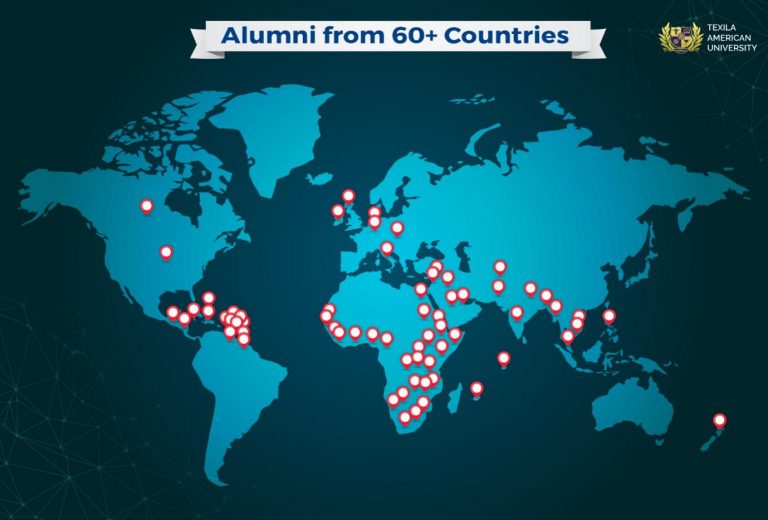
An MD from a Caribbean medical school is internationally valid if the institution is properly accredited. For US practice, the school must be WDOMS-listed with ECFMG Sponsor Notes. For India, NMC recognition is required. For the UK and Canada, separate licensing examinations (PLAB and MCCQE respectively) are needed. TAU graduates have pursued careers in the US, India, Canada, Africa, and the Caribbean following their respective country’s licensing pathway
An MD degree from an internationally accredited medical school offers one of the most stable, globally transferable, and meaningful careers available. With the AAMC projecting a US physician shortage of up to 86,000 by 2036, and the WHO estimating a global healthcare worker shortfall of 10 million by 2030, the demand for qualified medical doctors is at historic levels. TAU’s MD/MBBS programme in Guyana prepares graduates for international careers through USMLE-aligned education, US-affiliated clinical rotations, and ECFMG-eligible graduation. Graduates have pursued careers across the US, India, Canada, Africa, and the Caribbean — across clinical practice, research, academia, and public health leadership.