
- Quick Answer
- Why Indian Students Consider Caribbean Medical Schools
- Why Choose Texila American University Guyana?
- Caribbean MD vs MBBS Abroad: What Is the Difference?
- The Six Key Criteria for Choosing a Caribbean Medical School
- Application Requirements for Indian Students
- How Texila Compares with Other Caribbean Medical Schools
- Parent Checklist Before Taking Admission
Choosing a Caribbean medical school is not simply a question of tuition fees or location. For Indian students considering an international medical degree, the decision should be based on accreditation, WDOMS listing, ECFMG eligibility, NMC requirements, USMLE preparation, clinical rotations, total cost and graduate support. A recognised Caribbean MD programme can provide a structured pathway towards the United States, India or other destinations, but the quality of schools varies widely. Students and parents should therefore verify every important claim through official sources and choose a university that supports their long-term licensing and career goals.
Quick Answer
When choosing a Caribbean medical school, Indian students should first confirm recognised accreditation, WDOMS listing, ECFMG eligibility and compliance with the latest NMC requirements. They should then compare USMLE preparation, hospital affiliations, clinical rotations, total programme cost, student support, and graduate outcomes. A lower fee should never be the only deciding factor. The right school should provide a transparent pathway from admission and basic sciences to clinical training, licensing examinations, and residency.
Key Takeaways
- Accreditation and recognition should be checked before paying any admission or seat-confirmation fee.
- Indian students planning to return home must verify NEET and current NMC requirements before enrolling.
- WDOMS listing and an appropriate ECFMG Sponsor Note are essential for students targeting the US pathway.
- Clinical rotations should be supervised, clearly structured, and supported by verified hospital affiliations.
- The full cost includes tuition, accommodation, travel, visa, insurance, examinations, and clinical rotation expenses.
- Academic mentoring, safety, accommodation, and residency guidance can strongly affect student success.
Why Indian Students Consider Caribbean Medical Schools
Indian medical aspirants face intense competition for a limited number of affordable MBBS seats. Many students qualify for NEET but may not secure a government seat, while private medical education can require substantial financial planning. Caribbean medical schools are therefore considered by students seeking an international MD programme, a USMLE-oriented curriculum and clinical experience in North American healthcare settings.
However, admission availability alone is not a reason to choose a school. Students should evaluate whether the university supports their intended licensing route, whether the degree and clinical training meet applicable regulations, and whether the school offers clear academic and career guidance. The best choice is the institution that matches the student’s long-term plan rather than the one offering the quickest admission.
Why Choose Texila American University Guyana?
Texila American University Guyana may be considered by Indian students who want a structured Caribbean MD pathway with international academic and clinical exposure. The Texila’s medical programme is supported by accreditation and recognition credentials that students should independently verify before admission, including CAAM-HP and ACCM accreditation, BAC registration, WDOMS listing and eligibility for applicable ECFMG pathways.
For Indian students, the value of these credentials lies in what they may support: access to licensing examinations, progression into clinical training and preparation for postgraduate medical education. Texila also provides a USMLE-focused academic environment, clinical rotation opportunities, academic mentoring, scholarships for eligible students, student support services and guidance for international career planning.
Students often compare Texila with other Caribbean medical schools on five practical points: accreditation status, quality of clinical training, academic monitoring, student support and residency guidance. Rather than relying on general claims, applicants should request current documents covering accreditation validity, hospital affiliations, progression policies, fee schedules, clinical rotation arrangements, and graduate outcomes.
Caribbean MD vs MBBS Abroad: What Is the Difference?
In India, the undergraduate medical qualification is called MBBS. In many Caribbean and North American systems, the entry-level medical qualification is called the Doctor of Medicine, or MD. The title alone does not determine whether a graduate can practise. Recognition, programme duration, internship structure, curriculum, clinical training and licensing eligibility matter far more.
Indian students should therefore avoid assuming that every overseas MD is automatically equivalent to an Indian MBBS. Before joining, they must check whether the programme satisfies the requirements of the country in which they ultimately plan to practise.
The Six Key Criteria for Choosing a Caribbean Medical School
1. Accreditation and Recognition
Accreditation is the first factor to verify. A degree from a poorly recognised institution can create serious difficulties with licensing, residency applications and future medical practice. Students should confirm the accrediting body’s name, the exact programme covered, the validity period, and whether any conditions are attached.
- Recognised medical education accreditation and current validity.
- World Directory of Medical Schools listings.
- An appropriate ECFMG Sponsor Note for students targeting US residency.
- Current eligibility under NMC rules for Indian students planning to return.
- Transparent documentation rather than claims made only in brochures or advertisements.
NMC Eligibility for Indian Students
Indian students who intend to practise in India after graduating abroad must meet the latest National Medical Commission requirements. NEET qualification is generally required before admission for students seeking future eligibility in India. They should also verify the prescribed duration of study, internship or clinical training, medium of instruction, subjects taught, and whether the qualification allows registration in the country where it is awarded.
After graduation, the student must complete the licensing or screening pathway applicable at that time. Because regulations can change during a multi-year medical programme, applicants should check current NMC notifications before admission and retain copies of eligibility documents, curriculum details, internship records and clinical rotation certificates.
2. WDOMS Listing and ECFMG Eligibility
Students planning for the United States should confirm both the WDOMS listing and the relevant ECFMG information. WDOMS listing identifies the medical school, while the Sponsor Note indicates whether graduates may pursue the applicable ECFMG certification route. Eligibility alone does not guarantee residency. Strong USMLE performance, clinical experience, letters of recommendation, research or academic work, and a well-prepared residency application remain important.
3. USMLE Preparation and Academic Support
A Caribbean MD programme is often chosen for its USMLE pathway. Students should check whether Step 1 preparation is integrated into basic sciences and whether Step 2 CK support continues during clinical training. Useful support may include mock examinations, question-bank guidance, academic counselling, performance tracking, remediation support, and advice on examination timing.
Applicants should ask for recent, clearly defined outcomes rather than promotional percentages without context. They should understand the number of students included, the reporting period and whether the figures represent first-time test takers.
4. Clinical Rotations and Hospital Affiliations
Clinical rotations are where students begin applying medical knowledge in real patient-care settings. Before enrolling, students should ask where rotations are conducted, whether core rotations are guaranteed, and whether hospital affiliations are current and documented.
A strong clinical programme should include supervised core rotations in Internal Medicine, Surgery, Paediatrics, Obstetrics and Gynaecology, Psychiatry and Family Medicine. Electives allow students to explore specialties and strengthen residency applications. Students should also ask about faculty supervision, patient exposure, assessment methods, clinical logbooks, letters of recommendation, and support for Step 2 CK preparation.
Clinical exposure in the United States can help students understand US hospital systems, documentation standards, multidisciplinary teamwork and residency expectations. However, the quality, location, availability, and cost of rotations should be confirmed in writing before admission.
5. Total Cost of the Programme
Tuition is only one part of the financial commitment. Families should calculate the complete cost until graduation and avoid comparing universities only by annual fees.
- Tuition, laboratory, administrative, and academic fees.
- Accommodation, food, transport, and personal living costs.
- Visa, immigration, travel, and health insurance.
- USMLE, licensing examination, and preparation expenses.
- Clinical rotation, travel, housing, and related costs.
- Deposits, refund conditions and possible fee increase.
Parents should request a written fee schedule and clarify what is included, when payments are due, and what happens if the student withdraws, repeats a course or is unable to progress.
6. Graduate Outcomes, Student Support and Campus Life
A medical school should be assessed by the support it provides after admission, not simply by how easily a student can enrol. International students may need assistance with academic adjustment, accommodation, immigration, and daily life.
Useful services may include airport pickup, orientation, safe accommodation support, student safety measures, access to Indian or familiar food options, academic mentoring, counselling, faculty office hours and support for students who fall behind. Career services should explain licensing examinations, clinical electives, residency documentation, and interview preparation.
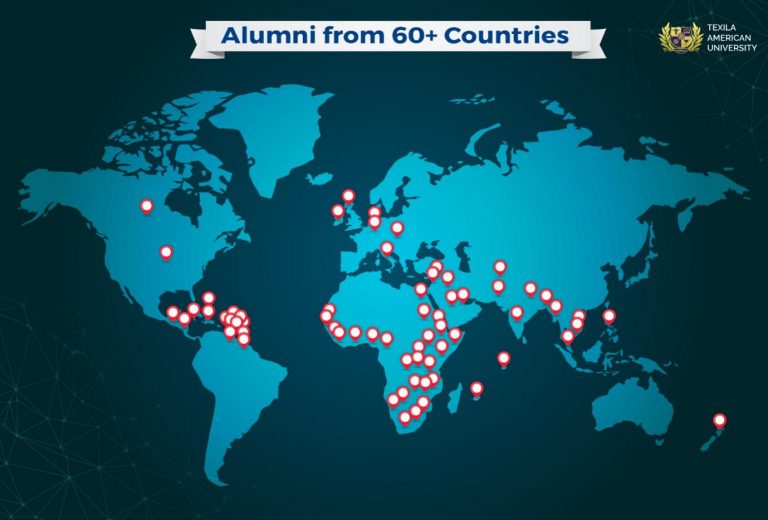
Where available, students should review recent alumni outcomes, residency placements, and the countries in which graduates are practising. Outcomes should be supported by verifiable information and should not be treated as a guarantee of individual success.
Student Journey at Texila
- Admission → Academic documents, NEET status and programme eligibility are reviewed.
- Pre-Med, if required → Students who need additional science preparation complete the prescribed foundation pathway.
- Basic Sciences → Students develop knowledge in biomedical sciences and prepare for clinical application.
- USMLE Step 1 → Structured preparation supports progression towards the first major US licensing examination.
- Clinical Sciences → Students move from classroom learning to supervised patient-centred training.
- US Clinical Rotations → Core and elective rotations provide exposure to hospital practice and residency expectations.
- USMLE Step 2 CK → Clinical knowledge is assessed before residency applications.
- Residency → Eligible graduates apply through the appropriate residency pathway and complete postgraduate training.
Application Requirements for Indian Students
Admission requirements vary, but Indian applicants commonly need NEET qualification, 10+2 or equivalent education with Physics, Chemistry, Biology and English, academic transcripts, a valid passport and supporting documents. Some applicants may need a pre-med pathway depending on their academic preparation. An interview or admissions assessment may also be required.
Students should not submit fees until they receive written confirmation of programme entry, duration, tuition, refund terms, accreditation and licensing considerations relevant to their intended destination.
How Texila Compares with Other Caribbean Medical Schools
| Area | What to Check at Texila | What to Compare Elsewhere |
| Accreditation | Current CAAM-HP, ACCM and institutional status | Accreditor, validity and programme coverage |
| Clinical training | Affiliations, core rotations, electives and supervision | Whether rotations are guaranteed and where they occur |
| USMLE support | Integrated preparation, monitoring and mentoring | Whether support is internal or an external add-on |
| Student support | Accommodation, orientation, safety and mentoring | Availability and cost of comparable services |
| Residency guidance | Application, documentation and interview support | Scope and evidence of graduate outcomes |
Parent Checklist Before Taking Admission
- Verify accreditation, WDOMS listing, and ECFMG information through official sources.
- Confirm current NMC eligibility and NEET requirements for the student’s planned pathway.
- Request a complete fee schedule, payment plan, and written refund policy.
- Understand visa procedures, travel requirements, and immigration responsibilities.
- Check accommodation, campus safety, transport, food and emergency support.
- Obtain written details of clinical rotation locations, affiliations, supervision, and additional costs.
- Ask for progression, remediation, transfer, and withdrawal policies.
- Review recent licensing, residency and alumni outcomes available.
Questions Students Should Ask Before Enrolling
- Which accredited organisations currently recognise the medical programme?
- Is the school listed in WDOMS, and what does its ECFMG Sponsor Note state?
- Does the programme meet current NMC requirements for Indian students?
- Where will core rotations and electives take place?
- Are rotation seats guaranteed, and what additional expenses apply?
- How is USMLE preparation integrated into the curriculum?
- What academic, accommodation and safety support are available?
- What are the total cost, refund rules, and progression requirements?
Model Digest
Indian students choosing a Caribbean medical school should assess accreditation, WDOMS and ECFMG information, NMC eligibility, USMLE preparation, clinical rotations, total cost, student support and graduate outcomes. Texila American University Guyana may be considered by students seeking an internationally oriented MD pathway Still, applicants should independently verify all current credentials, policies, clinical arrangements and licensing requirements before enrolling.