
- What Are Caribbean Medical Schools?
- Why Students Choose Caribbean Medical Schools
- Are Caribbean Medical Schools Accredited?
- Accreditation Checklist
- How Do Caribbean Medical Schools Compare?
- USMLE and Residency Pathways for Caribbean Graduates
- Life in the Caribbean and Why Guyana Stands Apart
- How Much Does Caribbean Medical School Cost?
- What to Look for When Choosing a Caribbean Medical School
- Medical Pathways at Texila American University, Guyana
- Who Should Consider a Caribbean Medical School?
- Final Thoughts
- Frequently Asked Questions
Caribbean medical schools are English-medium institutions located across the Caribbean region that offer pathways to a Doctor of Medicine (MD) degree. They attract students from the United States, Canada, India, Africa, the Middle East, and many other regions who seek an internationally recognised medical education. In 2024, 9,045 international medical graduates matched into US residency programmes confirming that internationally trained physicians, including Caribbean medical graduates, continue to make a vital contribution to the US healthcare workforce.
Students should carefully evaluate accreditation, curriculum, tuition, clinical training, student support, and their intended country of practice before applying. Quality and recognition vary significantly across institutions.
What Are Caribbean Medical Schools?
Caribbean medical schools are institutions located in countries such as Guyana, Grenada, Barbados, Antigua, Saint Lucia, Dominica, Jamaica, and Trinidad and Tobago, among others. Most offer MD programmes and welcome international students who want a globally oriented medical education.
These schools are often considered by students who could not secure admission in highly competitive domestic systems, or who prefer an English-medium degree with genuine international exposure. The learning environment is typically diverse, with students from dozens of countries sharing lecture halls, clinical rotations, and campus life.
However, not all Caribbean medical schools are the same. Quality, recognition, clinical training, student support, and licensing eligibility can vary significantly. Before applying, students should verify each school’s accreditation status, World Directory of Medical Schools listing, ECFMG eligibility, clinical rotation structure, and published graduate outcomes.
Why Students Choose Caribbean Medical Schools
Students choose Caribbean medical schools primarily for flexibility and international access. Some institutions offer multiple entry routes students with a bachelor’s degree or completed pre-medical coursework may enter a shorter MD route, while those requiring additional preparation may choose longer pre-med plus MD pathways.
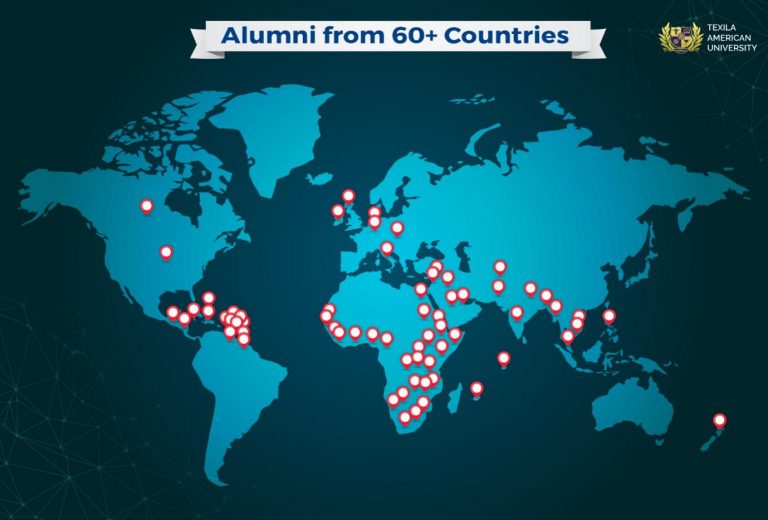
International exposure is a significant draw. Studying alongside peers from 40 or more countries builds cross-cultural communication skills and prepares graduates to work in diverse, multicultural healthcare environments an increasingly valued attribute in modern global medicine.
The right school, however, should be evaluated on academic structure, licensing pathway clarity, clinical exposure, and graduate career outcomes not location or tuition cost alone.
| Factor | Caribbean Medical Schools | USA | Canada | UK |
| Admissions | Varies by school | Very high competition | Extremely high | High |
| International access | Often broader | Limited | Very limited | Competitive |
| Degree awarded | Commonly MD | MD or DO | MD | MBBS / MBChB |
| Tuition | Varies widely | Usually high | Moderate to high | Varies |
| Clinical training | Depends on school network | Strong | Strong | Strong |
| Licensing pathway | Requires early planning | US-focused | Canada-focused | UK-focused |
Are Caribbean Medical Schools Accredited?
Accreditation is the single most critical factor when evaluating any medical school. It determines whether graduates are eligible to sit for licensing examinations, enter residency programmes, and practise medicine in their target country. For students planning a US medical career, understanding the accreditation framework and how it connects to ECFMG certification and the NRMP Match is non-negotiable.
CAAM-HP: The Caribbean’s Regional Accrediting Authority
The Caribbean Accreditation Authority for Education in Medicine and Other Health Professions (CAAM-HP) is the legally constituted regional accrediting body established under the Caribbean Community (CARICOM). CAAM-HP sets and enforces standards for medical education programmes across CARICOM member countries, providing assurance to students, graduates, the medical profession, and the public that accredited schools meet appropriate national and international quality benchmarks.
CAAM-HP holds WFME Recognition Status awarded by the World Federation for Medical Education following a rigorous independent review confirming that CAAM-HP’s accreditation processes meet the highest global standards for quality assurance in medical education. Schools accredited by CAAM-HP meet the standard referenced in ECFMG’s Recognized Accreditation Policy, and this status is reflected in the ECFMG Sponsor Note visible in the school’s WDOMS listing.
ACCM: International Accreditation for Offshore Schools
The Accreditation Commission on Colleges of Medicine (ACCM) is an internationally operating accrediting body recognised across multiple Caribbean jurisdictions and beyond. ACCM’s standards have been assessed by the World Federation for Medical Education and awarded WFME Recognition Status, affirming that schools accredited by ACCM meet globally accepted benchmarks for medical education quality. This status is reflected in the ECFMG Sponsor Note for ACCM-accredited schools in the World Directory of Medical Schools.
WFME, ECFMG, and Why Recognised Accreditation Matters
The World Federation for Medical Education (WFME) is the global authority on medical education quality standards. ECFMG the body that certifies international medical graduates for entry into US graduate medical education has adopted a Recognized Accreditation Policy that identifies schools whose accrediting agency has been reviewed and recognised by WFME or NCFMEA. Since 2024, ECFMG reports each school’s recognised accreditation status in the World Directory of Medical Schools and in ECFMG Status Reports that accompany residency applications submitted through ERAS. Importantly, this reporting is currently for information purposes only it does not currently restrict or impede a student’s eligibility for ECFMG Certification. ECFMG has stated that it will provide adequate advance notice before the policy becomes a formal eligibility requirement.
In practical terms, students considering a Caribbean medical school should confirm two things: first, that the school holds a valid ECFMG Sponsor Note in the World Directory of Medical Schools this is the definitive indicator of ECFMG eligibility, without which students cannot apply for ECFMG Certification; and second, that the school’s accrediting agency holds WFME Recognition Status, such as CAAM-HP or ACCM. WFME-recognised accreditation is the international gold standard and is already visible to residency programmes through ECFMG Status Reports in ERAS. While not yet a formal hard requirement for ECFMG Certification, it is the clear direction of policy and a strong signal of quality that prospective students should prioritise.
NCFMEA and US Federal Student Loans
The National Committee on Foreign Medical Education and Accreditation (NCFMEA), part of the US Department of Education, evaluates whether foreign medical school accrediting bodies meet standards comparable to those used for US schools. An NCFMEA comparability determination is required for a country’s medical schools to participate in the William D. Ford Federal Direct Student Loan Program. US citizen students exploring federal loan financing should verify their school is in a country with an active NCFMEA comparability determination.
Accreditation Checklist
- Is the school accredited by a recognised medical education body, ideally one holding WFME Recognition Status?
- Is it listed in the World Directory of Medical Schools (WDOMS)?
- Does the school carry a valid ECFMG Sponsor Note in the WDOMS listing? (Without this, students cannot apply for ECFMG Certification.)
- Are graduates eligible to sit for the USMLE and apply for US residency through ERAS and the NRMP Match?
- Does the accreditation satisfy requirements for the student’s intended country of practice?
- Are accreditation scope, conditions, and status clearly disclosed by the institution?
Important
Accreditation status can change. Always verify directly through official sources CAAM-HP (caam-hp.org), WDOMS (wdoms.org), and ECFMG (ecfmg.org) before enrolling.
How Do Caribbean Medical Schools Compare?
A Caribbean medical pathway should not be viewed as automatically easier or less valuable than a US, Canadian, or UK route. The real question is whether a specific institution provides the academic structure, recognition, clinical exposure, and student support to help graduates achieve their licensing and career goals.
| Criteria | Caribbean Medical Schools | USA | Canada | UK |
| Admission competition | Varies by school | Very high | Extremely high | High |
| International access | Often broader | Limited | Very limited | Competitive |
| Degree awarded | Commonly MD | MD or DO | MD | MBBS / MBChB |
| Tuition | Varies widely | Usually high | Moderate to high | Varies |
| Clinical training | Depends on school network | Strong | Strong | Strong |
| Licensing pathway | Requires planning | US-focused | Canada-focused | UK-focused |
USMLE and Residency Pathways for Caribbean Graduates
Caribbean medical school graduates who complete ECFMG certification requirements are eligible to apply for US residency through the NRMP Main Residency Match. According to 2024 NRMP Match data, 9,045 international medical graduates matched into first-year US residency positions comprising more than one quarter of all matched applicants nationwide. US citizen IMGs matched at a 67% rate; non-US citizen IMGs at 58.5%.
The standard pathway for Caribbean graduates targeting US residency is: complete medical school and clinical rotations → pass USMLE Step 1 (reported as pass/fail since January 2022) → pass USMLE Step 2 CK (three-digit score) → obtain ECFMG certification → apply through ERAS and the NRMP Match → complete residency training (3–7 years by specialty) → obtain state medical licensure.
Specialties with historically higher IMG match rates include internal medicine, family medicine, paediatrics, psychiatry, and pathology. Highly competitive specialties such as orthopaedics, dermatology, and neurosurgery require outstanding Step 2 CK scores and substantial US clinical experience. Before enrolling, students should ask every prospective school about USMLE preparation resources, clinical rotation structure, residency advising services, and published graduate match outcomes.
Life in the Caribbean and Why Guyana Stands Apart
For most students, choosing a Caribbean medical school is as much about the living experience as the academic one. The Caribbean offers a warm, English-medium environment, rich cultural traditions, and a pace of life that many students find genuinely supportive of both academic focus and personal wellbeing. What surprises many students most, however, is just how quickly they feel at home and how much their years in the Caribbean shape them as future physicians.
Guyana: A Country Transforming in Real Time
Guyana occupies a uniquely compelling position among Caribbean medical school destinations. It is the only English-speaking country on the South American mainland, and it sits at the intersection of Caribbean cultural tradition and the extraordinary natural wealth of the Amazon basin. But what sets Guyana apart most dramatically in 2026 is its economic transformation.
Following the discovery of major offshore oil reserves by ExxonMobil in the Stabroek Block, Guyana has become the fastest-growing economy in the world. The International Monetary Fund confirmed that Guyana recorded the highest real GDP growth rate in the world averaged over 2022–2024, at approximately 47% per year. In 2024 alone, GDP expanded by over 43% supported by oil production exceeding 225 million barrels for the year, and by strong expansion across construction, manufacturing, and agriculture simultaneously.
The World Bank describes Guyana as “one of the world’s fastest-growing economies,” with oil revenues being reinvested into infrastructure, healthcare, housing, and public services at a pace that is physically reshaping Georgetown and the broader country. Guyana’s non-oil economy is also growing robustly construction, services, and agriculture expanded by over 13% in 2024 demonstrating that the prosperity is broad-based, not confined to a single sector. The IMF projects Guyana’s economy will grow an average of 14% per year over the next five years, placing it among the most dynamic and investable economies in the Western Hemisphere.
For international students, this means arriving in a country that is actively building new hospitals, expanding healthcare infrastructure, modernising transport, improving housing, and investing significantly in education. Students who study in Guyana today are not arriving at a static environment they are entering a country in the midst of one of the great economic transformations of the 21st century.
Culture, Community, and the Guyanese Way of Life
Daily life in Guyana is shaped by one of the most genuinely diverse cultural tapestries in the Americas. The population reflects centuries of South Asian, African, Indigenous Amerindian, Chinese, and European heritage and this diversity is woven into every aspect of daily experience: the food, the festivals, the music, the architecture, and the warmth with which Guyanese communities welcome newcomers. International students consistently describe the cultural reception as unexpectedly open and enriching.
The cuisine alone deserves mention. Guyana’s food is a reflection of its cultural richness pepperpot (a slow-cooked stew with deep Amerindian roots served at Christmas and celebrations), cook-up rice, roti, curry, fresh river fish, and tropical fruits appear on tables across the country. Students from India, Nigeria, the Caribbean, and North America often find familiar flavours alongside entirely new culinary discoveries. The Stabroek Market in central Georgetown a Victorian cast-iron structure at the heart of the city is one of the most vibrant public spaces in the Caribbean, full of fresh produce, spices, street food, and daily life.
Georgetown itself rewards exploration. The city’s colonial-era wooden architecture, including St. George’s Cathedral (one of the world’s tallest wooden churches), broad tree-lined avenues, the National Museum, the Botanical Gardens, and a growing modern commercial quarter give the capital genuine cultural depth. Evenings are sociable restaurants, cultural performances, cricket at the Guyana National Stadium, and community events provide a full social life well beyond campus. Cricket is the national sport and a genuine cultural institution; match days bring communities together in a way that few other events can replicate.
Guyana is also English-speaking throughout, which removes one of the most significant adjustment barriers international students face in other international study destinations. The English spoken in Guyana is a Creole-influenced variety that most students find easy to navigate within their first weeks.
Climate and the Natural World
Guyana’s climate is tropical and consistently warm year-round, with temperatures in Georgetown averaging 27–28°C throughout the year. Coastal areas benefit from Atlantic sea breezes that moderate the humidity. There are two rainy seasons approximately May to June and November to January which sustain the country’s extraordinary landscape but do not significantly disrupt daily life or academic schedules.
Critically, Guyana lies outside the primary Atlantic hurricane belt. Unlike many island-based Caribbean medical school locations, students in Guyana are not subject to seasonal storm disruptions. Academic calendars remain stable, and students have no weather-related concerns about interruption to their studies.
The natural environment surrounding Guyana is among the most spectacular on Earth. Approximately 80% of the country is covered by pristine Amazonian rainforest home to jaguars, giant river otters, harpy eagles, arapaima, and hundreds of bird and plant species found nowhere else. The Kaieteur Falls, one of the world’s most powerful single-drop waterfalls, is reachable from Georgetown. Eco-tourism in the interior is a growing part of Guyanese life, and students regularly make use of holidays and long weekends to explore the rainforest, river lodges, and wildlife reserves that most people only encounter in documentaries. For students who value the natural world, Guyana offers experiences that are simply unavailable from any other medical school location.
Student Life and Cost of Living
Guyana offers a cost of living that is substantially lower than US or Canadian cities. Housing, local transport, food from markets and local restaurants, and everyday essentials are all affordable. Students who manage their finances sensibly often find they can maintain a comfortable, full lifestyle in Georgetown on a budget that would be stretched in North America. University-affiliated student housing and privately rented apartments in secure residential areas of Georgetown are both widely available.
Campus social life is active and welcoming. University events, sports, cultural celebrations, and weekend excursions into the rainforest or to coastal areas give students a genuine life beyond their textbooks. International students particularly note the ease with which they make friendships across nationalities a natural consequence of studying in an environment where everyone is, in one sense, far from home together.
How Much Does Caribbean Medical School Cost?
Tuition varies widely among Caribbean medical schools. Some institutions carry total programme costs comparable to private US medical schools, while others offer meaningfully lower tuition. Students should evaluate the full cost of attendance, not tuition alone. Typical cost components include:
- Tuition and university fees
- Housing and living expenses
- Health insurance
- Books and learning resources
- USMLE preparation materials and examination fees
- Step 1, Step 2 CK, and ECFMG application fees
- Travel to and from clinical rotation sites
- Visa, immigration documentation, and administrative costs
Families should request a written, itemised estimate of the total programme cost before applying. US and Canadian citizens should confirm whether loan or financing options are available for their chosen institution. Affordability is a legitimate consideration but always evaluate it alongside accreditation quality, clinical training, student support services, and verified graduate outcomes.
What to Look for When Choosing a Caribbean Medical School
Choosing a medical school is one of the most consequential decisions a student will make. A structured approach helps students and families compare options with clarity and confidence. Before applying, students should:
- Verify the school holds a valid ECFMG Sponsor Note in the WDOMS listing, and confirm its accrediting agency holds WFME Recognition Status the international gold standard for medical education quality.
- Confirm the school is listed in the World Directory of Medical Schools.
- Confirm ECFMG eligibility if planning to pursue a US residency and licensure pathway.
- Review curriculum structure, teaching methodology, and available programme durations.
- Ask about USMLE Step 1 and Step 2 CK preparation support and resources.
- Understand clinical rotation sites, affiliations, supervision quality, and patient exposure.
- Request a written, itemised estimate of the total cost of attendance not tuition alone.
- Review financing, loan programme eligibility, and scholarship options.
- Speak with current students and alumni about their real-world experience.
- Request published graduate match data and licensing outcomes.
Students should avoid choosing a school on the basis of low tuition, rapid admission timelines, or attractive marketing alone. A strong medical school builds academic depth, clinical readiness, professional conduct, and the long-term career direction that medicine demands.
Medical Pathways at Texila American University, Guyana
Texila American University (TAU) Guyana offers medical education pathways for students from a wide range of academic backgrounds. Texila’s College of Medicine provides 4-year, 5-year, and 5.5-year MD pathways, allowing eligible students to choose a route that matches their prior education and readiness for medical study.
The 4-Year MD Programme is designed for students who have completed a bachelor’s degree or required pre-medical coursework. The 5-year and 5.5-year pathways provide additional foundation preparation for students who need it, subject to admission requirements and eligibility assessment.
Accreditation and International Recognition
TAU holds triple international accreditation from CAAM-HP, ACCM, and BAC. Both CAAM-HP and ACCM carry WFME Recognition Status the international gold standard for medical education quality assurance and this is reflected in TAU’s ECFMG Sponsor Note in the World Directory of Medical Schools. TAU is registered with the National Accreditation Council of Guyana and is listed in the World Directory of Medical Schools (WDOMS F0002428). Students can verify TAU’s ECFMG Sponsor Note and recognised accreditation status directly through the official WDOMS listing at wdoms.org.
Clinical Training in Guyana and the United States
Clinical learning is central to the TAU experience. Students gain hands-on exposure through affiliated training sites in both Guyana and the United States. In Guyana, the Georgetown Public Hospital Corporation the country’s principal tertiary referral centre, now expanding substantially as part of Guyana’s major healthcare investment programme provides structured clinical exposure to real, diverse patient populations. In the United States, Tucson Medical Center in Arizona offers additional clinical rotation opportunities. Students encounter genuine clinical decision-making environments and mentorship from practising physicians at both sites.
Student Support and Campus Life
TAU supports students through USMLE preparation resources, academic advising, and career planning services. With students from more than 45 countries, the TAU campus reflects the multicultural richness of Guyana itself an environment in which future physicians develop not only clinical competence but also the cross-cultural communication skills and adaptability that modern, globally integrated healthcare demands.
Students at TAU benefit from studying in a country that is actively investing in its healthcare future. Guyana’s economic growth is funding new hospital facilities, expanded clinical infrastructure, improved public health systems, and better transport all of which directly improve both the student experience and the quality and breadth of clinical exposure available within the country.
Explore your options at Texila
Speak with a Texila admissions counsellor to understand your eligibility, which MD pathway suits your background, and what clinical training will look like for you. Visit tau.edu.gy to learn more.
Who Should Consider a Caribbean Medical School?
A Caribbean medical education may be the right pathway for:
- Students seeking to study medicine internationally with genuine multicultural exposure
- Applicants pursuing an MD route outside their home country
- Students who were not admitted to highly competitive domestic medical programmes
- Transfer students looking for continuity in their medical education
- Career changers entering medicine at a later stage
- Students who want an English-speaking environment with a lower cost of living than North American or UK cities
- Those drawn to a dynamic, developing country that is growing and changing in real time
It may not be appropriate for students who have not researched their target country’s licensing requirements in detail, are not academically prepared for the sustained rigour of a medical curriculum, or are choosing a school without verifying accreditation credentials and published graduate outcomes.
Final Thoughts
Caribbean medical schools continue to play an important and growing role in global medical education in 2026. They offer a genuine, internationally recognised alternative pathway to the MD degree for students from across the world but quality, accreditation, and graduate outcomes vary significantly across institutions.
Before applying, compare accreditation status, whether the school’s accrediting agency holds WFME Recognition Status, total programme costs, curriculum structure, clinical training infrastructure, USMLE preparation support, financing options, licensing pathways, and verified graduate match outcomes. Request written data from the institution, speak with current students and alumni, and verify everything through official sources.
For students considering Guyana specifically: this is a country in the midst of a remarkable transformation. The economy, the healthcare system, the infrastructure, and the opportunity landscape are all expanding at a pace that has few parallels anywhere in the world. Students who choose to study in Guyana today are not choosing a static backdrop to their education they are choosing a country building its future in real time, and their years there will be richer for it.
Ready to begin?
Explore Texila American University Guyana’s MD programmes and connect with the admissions team at tau.edu.gy.
Key Takeaways
- Caribbean medical schools offer MD pathways for students from diverse academic and national backgrounds.
- Accreditation by a recognised agency and a valid ECFMG Sponsor Note in the World Directory of Medical Schools are essential for students planning US medical careers. Schools accredited by WFME-recognised bodies such as CAAM-HP or ACCM represent the international gold standard.
- Students should compare tuition, clinical training, USMLE support, and verified graduate outcomes before applying.
- Some universities offer 4-year, 5-year, and 5.5-year MD pathways depending on entry qualifications.
- Guyana is one of the world’s fastest-growing economies a dynamic, modern, English-speaking country with an outstanding quality of life for international students.
- Texila American University Guyana offers triple-accredited, internationally recognised medical education with multiple MD pathways and clinical training in Guyana and the United States.
Frequently Asked Questions
1. Are Caribbean medical schools accredited?
Many are but accreditation varies significantly by institution. The most important check is whether the school holds a valid ECFMG Sponsor Note in the World Directory of Medical Schools (WDOMS): without this, students cannot apply for ECFMG Certification. Students should also look for schools whose accrediting agency holds WFME Recognition Status such as CAAM-HP or ACCM which is the international gold standard and is already visible to residency programmes through ERAS. Always verify directly at wdoms.org before applying.
2. What is WFME and why does it matter for Caribbean medical students?
The World Federation for Medical Education (WFME) is the global authority on medical education quality standards. ECFMG’s Recognized Accreditation Policy identifies schools whose accrediting agency has been reviewed and recognised by WFME. Since 2024, this status is reported in the World Directory of Medical Schools and in ECFMG Status Reports visible to residency programmes through ERAS. It is currently for information purposes not yet a hard requirement for ECFMG Certification but it is the clear direction of policy and is already influencing how residency programmes perceive applicants. CAAM-HP and ACCM both hold WFME Recognition Status, meaning schools accredited by either body including Texila meet this international standard. Students should prioritise schools with WFME-recognised accreditation for the strongest long-term protection of their career pathway.
3. Can Caribbean medical school graduates practise in the United States?
Yes. Graduates who meet USMLE, ECFMG, residency, and state licensing requirements may pursue medical practice in all 50 US states. Students should confirm their school’s ECFMG eligibility and recognised accreditation status before enrolling.
4. How competitive is the US residency Match for Caribbean graduates?
Matching into US residency is competitive but very achievable with strong preparation. In 2024, US citizen IMGs matched at 67% and non-US citizen IMGs at 58.5%. Key success factors are strong USMLE Step 2 CK scores, quality US clinical experience, strong letters of recommendation, and a well-planned, early-started application.
5. What is it like to live in Guyana as an international student?
Guyana is a warm, English-speaking, multicultural country with an affordable cost of living, a rich cultural life, and extraordinary natural surroundings. It is also one of the world’s fastest-growing economies, with new infrastructure, hospitals, and amenities rapidly improving the quality of life across Georgetown. Students consistently report that life in Guyana exceeded their expectations and that the experience made them better, more empathetic clinicians.
6. Does Texila Guyana offer only a 4-Year MD programme?
No. TAU offers 4-year, 5-year, and 5.5-year MD pathways, depending on the student’s prior education, eligibility, and readiness for medical study. Speak with a TAU admissions counsellor to find the right pathway for your background.
7. Why choose Texila American University Guyana?
TAU offers triple international accreditation (CAAM-HP, ACCM, BAC), with both CAAM-HP and ACCM holding WFME Recognition Status the international gold standard for medical education quality, already reported to residency programmes through ECFMG Status Reports in ERAS. TAU holds a valid ECFMG Sponsor Note in the World Directory of Medical Schools, confirming eligibility for ECFMG Certification. Students also benefit from multiple MD pathways, clinical training in Guyana and the United States, USMLE preparation support, financing options for eligible students, and a multicultural campus in one of the world’s fastest-growing economies.